






How to Network at Events and Turn Connections Into Real Business
The Part of Networking Nobody Talks About
Most of what people teach about how to network at events stops at the handshake, which is a little like teaching someone to cook by giving them a tour of the grocery store. You go to the conference, you collect a dozen new Instagram follows, you fly home feeling inspired, and then real life takes over and every one of those conversations goes cold within a week. I see this constantly with the photographers and creative entrepreneurs I coach, and it rarely comes down to a lack of skill. More often it comes from a fear of being too much, paired with having no real system for what happens after everyone goes home. The good part is that the follow up is where most of the opportunity is hiding, and it is far easier to learn than charm.
The Woman Who Turned One Speaking Gig Into Nearly Six Figures
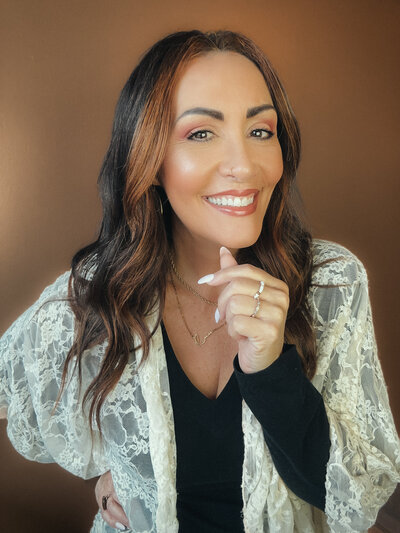
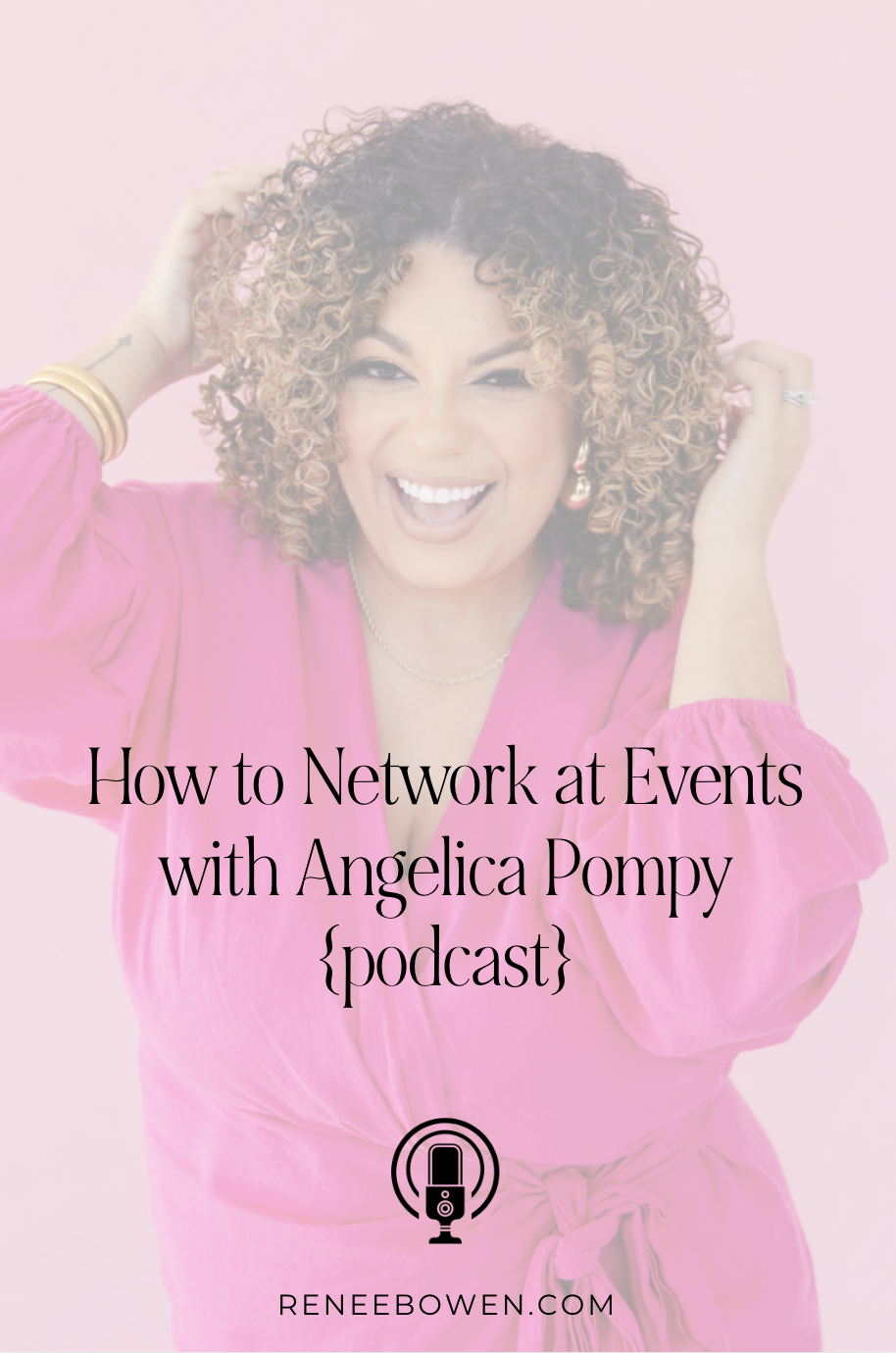
Angelica Pompy is a boudoir photographer, speaker and educator who runs a membership community for entrepreneurs, and she has turned a single speaking event into close to six figures in business. What struck me about our conversation on the podcast is that most of her approach to how to network at events happens away from the stage. Her results came from what she did before she walked into the room and from the follow-up DMs and short calls most people never book. She calls herself an extrovert, and she uses that energy in a way I love, because the first person she looks for in any room is the one standing alone in the corner. As an introvert who would much rather be the one in the corner, I can tell you that this kind of thing gets remembered for a very long time.

Her Pre-Event Framework for Being Remembered
The simplest piece of learning how to network at events is doing your homework before you arrive, and Angelica has a framework for it that takes almost no time. When a host shares who is attending or speaking, she follows each person, likes three posts on their feed, and sends a short video message saying she will be there and would love a hug in real life. If video feels like a stretch, a voice note works nearly as well, because the point is letting someone see or hear a real human before they ever meet you. By the time she walks into the room, she is already a familiar face, and people come looking for her. She also uses those early conversations to learn about the audience, which helps her shape her talk around the people in the chairs.
Why the Follow Up Is Where the Money Lives
Angelica said the line I keep coming back to whenever someone asks me how to network at events: “the funds are in the follow up.” After an event, she saves the profiles of people she wants to go deeper with into an Instagram folder for that event, then sends each one a DM that mentions something specific they talked about. From there she invites them to a twenty-minute connection call, split roughly in half, where each person shares what they are working on and how the other can support them, and she always comes with a clear ask. That structure turned a three-minute hallway chat with a magazine owner into a sponsor for Angelica’s event plus an invitation to speak at and MC the magazine’s event. She went into that call thinking only about how she could help, and the opportunities showed up because she was not gripping for them.
Bringing the Room to You With a Community Event
Plenty of creatives have zero interest in speaking, and Angelica’s photography business shows you can build the same momentum by creating the room yourself. One of her first collaborations was a step and repeat at a bridal boutique’s designer event, where brides-to-be got a taste of working with her. Six years ago she teamed up with a florist friend on a small Galentine’s event, with ticket sales covering the cost of the flowers and a photo area where guests learned to pose. That event has grown from twenty people to one hundred fifty, and the local businesses involved now help with the space, florals, decor and entertainment, so it costs her nothing out of pocket. She also pointed out that hosting positions you as an authority, because very few people in your industry give clients a way to experience them in person. It can start small, too, since one of her earliest client events was a simple happy hour with five hundred dollars on the bar tab.
What This Means for Your Business Right Now
I will die on this hill: you cannot rely on social media alone to run your business anymore, and getting comfortable in the room matters more every year. Knowing how to network at events is part of it, and so is having the confidence to talk about what you do out loud, which Angelica admits she had to build one rep at a time. If you are an introvert, prep a few open-ended questions and set an intention before you walk in, so your brain is working from a plan instead of reacting to a crowded ballroom. Angelica’s favorite swap is asking people what they are currently working on instead of what they do, which opens the door to a real conversation. If you are not sure where to start, her suggestion is wonderfully low stakes: reach out to a peer in your industry and ask what rooms they are showing up in.
Links:
Angelica’s Networking Playbook (free download): https://angelicapompy.myflodesk.com/networking-workbook-freebie
Angelica’s website: https://angelicapompy.com/
Angelica on Instagram: https://www.instagram.com/angelicapompy/
FAQ
Tips for how to network at events when you do not know anyone?
Do your homework before you arrive by following the other attendees and speakers, liking a few of their posts, and sending a quick video or voice message saying you will be there. When you walk in, look for the person standing alone, because they are usually the easiest and most grateful person to talk to. Setting a clear intention, like meeting five people you can help, gives your brain a job to do besides feeling nervous.
What is the best way for an introvert to learn how to network at events?
Preparation does most of the heavy lifting for introverts. Write a few open-ended questions on your phone ahead of time, decide what you want to get out of the room before you walk in, and give yourself permission to go deep with a handful of people instead of working the whole room. Every time it goes well, your brain collects proof that it is safe to do it again.
How do you follow up after a networking event?
Save the profiles of the people you want to know better into an Instagram folder for that event, then send each one a DM that mentions something specific you talked about. Invite the strongest connections to a short call within a week or two. Following up quickly keeps you top of mind while the conversation still feels fresh.
What is a connection call and how does it work?
A connection call is a twenty-minute Zoom or phone call with someone you met at an event. Each person gets about ten minutes to share what they are working on and how the other person could support them. Angelica recommends always bringing one clear ask, because even if that person cannot help directly, they may know someone who can.
What questions should I ask at networking events instead of “what do you do”?
Open-ended questions lead to much better conversations than yes or no questions. Angelica likes asking people what they are currently working on, or simply what they love, and then following up with “tell me more.” These questions let people talk about their work with real energy, which makes both of you more memorable.
How can photographers use community events to get more clients?
Start by partnering with businesses that already serve your ideal clients, like a bridal boutique, a florist or a salon, and create a small experience together. Shared events let each business introduce the other to a warm audience, and ticket sales or partner contributions can cover the costs. Over time, these relationships become a referral network that keeps sending you clients for years.










Read the Comments +