









A New Way To Think About Ketamine Therapy
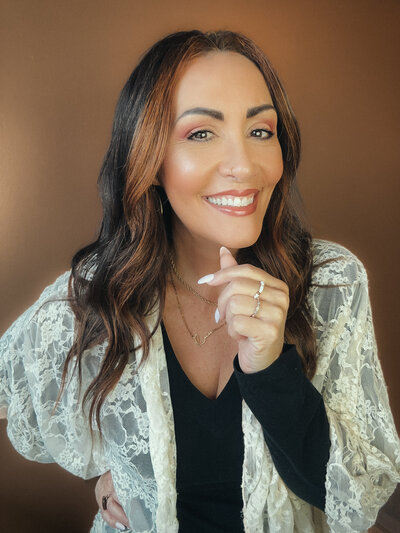
Ketamine therapy is having a moment in the wellness world, but not for the reasons most people assume. In this conversation with Dr. Sharon Niv of Joyous on the lastest episode of Tried & True With a Dash of Woo, we dig into a gentler, grounded, fully conscious approach to healing that challenges the stereotypes most people have about ketamine. Instead of the intense, dissociative journeys many associate with psychedelics, Sharon introduces a low-dose, psycholytic method that keeps people present enough to participate in their own breakthroughs. This alone reframes the entire conversation around mental health and consciousness work. If you’ve ever wondered what’s possible when science and intuition stop fighting each other, this episode will open your eyes.
Why Low-Dose Matters More Than You Think
When people hear about ketamine treatment, they often think of high-dose psychedelic sessions that require hours of recovery and a full clinical setup. Sharon explains that psycholytic dosing is entirely different and, in many ways, more accessible for the average person. These smaller doses create a sense of spaciousness, quiet the internal narrative, and soften the emotional grip most people don’t even realize they’re carrying. Instead of being swept into an uncontrollable altered state, individuals remain aware, intentional, and capable of directing their inner work. It’s a skill-building process rather than a surrender-and-hope-for-the-best journey.
The Neuroscience Behind Spaciousness
What fascinated me most is how ketamine treatment impacts the brain’s default mode network, which is responsible for the constant chatter, evaluating, replaying, and overthinking so many of us live with. Sharon breaks down how these low-dose sessions quiet that network enough for people to finally hear themselves differently, often for the first time. The result isn’t escapism; it’s clarity. Many experience relief from depression, anxiety, and PTSD symptoms because they’re no longer fused with old narratives that feel impossible to interrupt. This is where the magic and the science truly meet, and you feel it in every example she shares.
Mental Health, Accessibility, And the Mission Behind Joyous
One of the most compelling parts of our conversation was understanding Joyous as a public benefit corporation. They aren’t just offering ketamine treatment. They’re committed to making it affordable, accessible, and deeply supportive even for people without a therapist. With digital therapeutics, community groups, live sessions, and a soon-to-launch therapist training program, they’re creating a full ecosystem rather than a one-and-done experience. And for those who do work with therapists, this protocol opens a new level of emotional access that can completely transform the therapeutic process.
Why This Approach Matters For Real-Life Healing
Ketamine treatment through a psycholytic lens isn’t about checking out or chasing big cosmic visions. It’s about giving your nervous system room to breathe so you can actually participate in your healing in a grounded, sustainable way. And for anyone carrying anxiety, depression, trauma, or simply an overloaded nervous system, this gentle opening might be the first time they’ve ever felt spaciousness inside themselves. If you’re curious about what this could mean for your own journey or someone you care about, this episode is truly worth a listen.











Read the Comments +